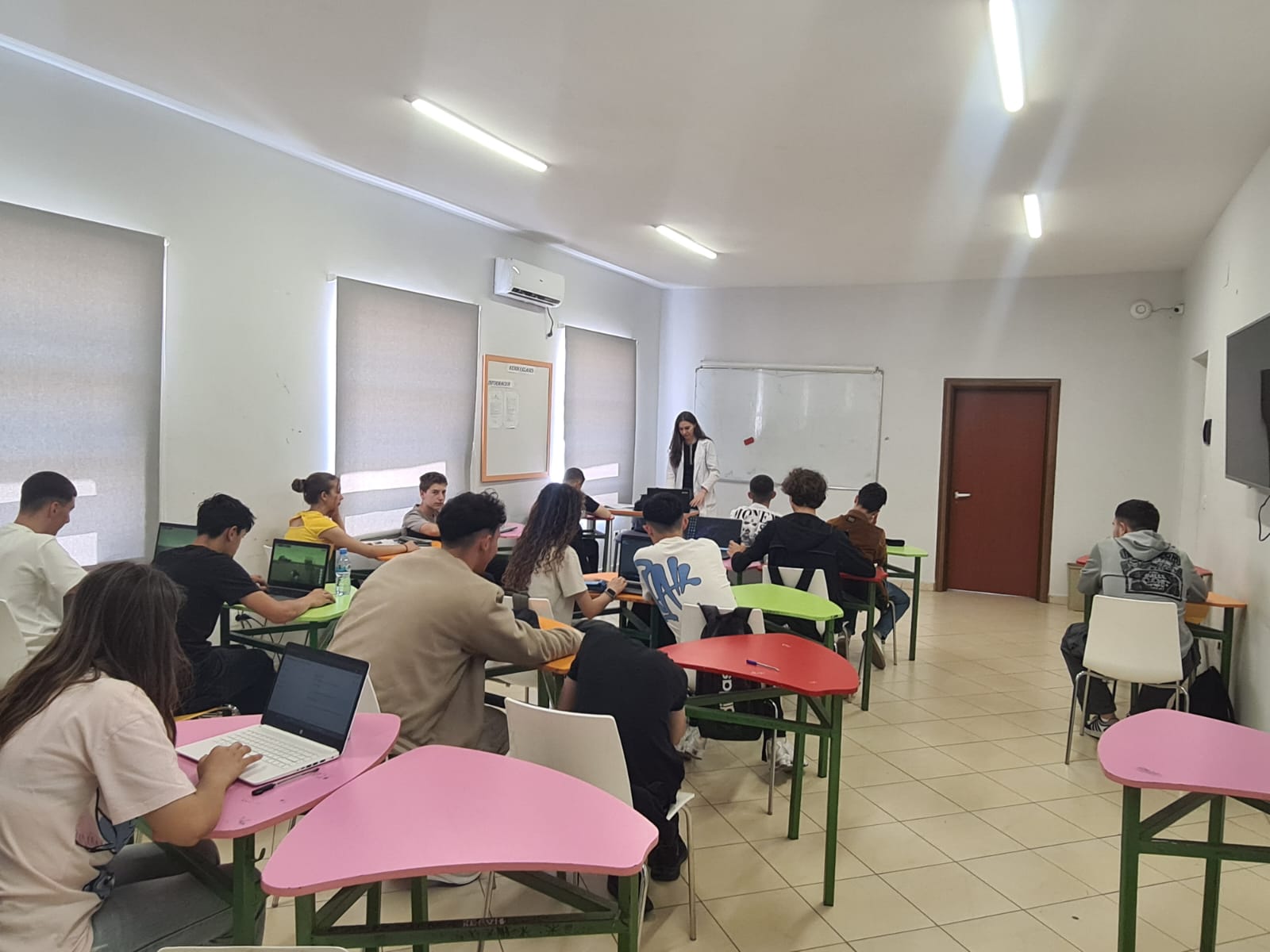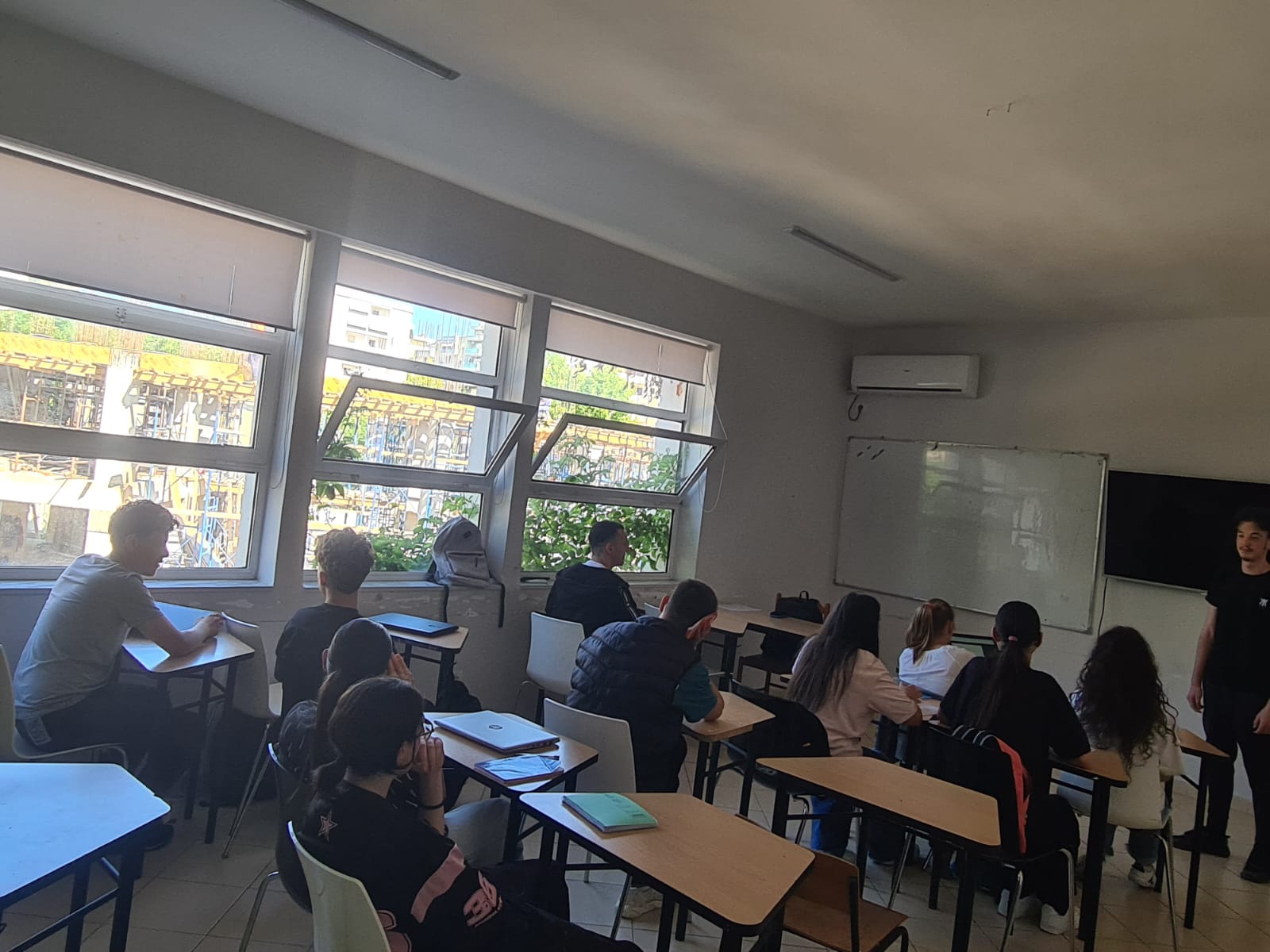
The VR DigiVET project has completed a major phase of its capacity-building programme by implementing the digital skills curriculum with 210 vocational education and training students in Albania, exceeding the original target of 200 learners.
The activity marked the transition from the training of VET teachers and instructors to the direct involvement of students. Educators who had previously completed the project’s capacity-building programme guided their classes through a structured learning pathway combining digital content creation, immersive technologies, collaborative work and practical assignments.
A practical pathway through digital and immersive technologies
The student curriculum was designed on the basis of the needs assessment conducted during the earlier stages of the project. It responded to the demand for more practical digital training, greater use of innovative technologies and stronger connections between vocational education and labour-market needs.
Students worked across four complementary learning areas:
- 3D modelling and immersive content creation;
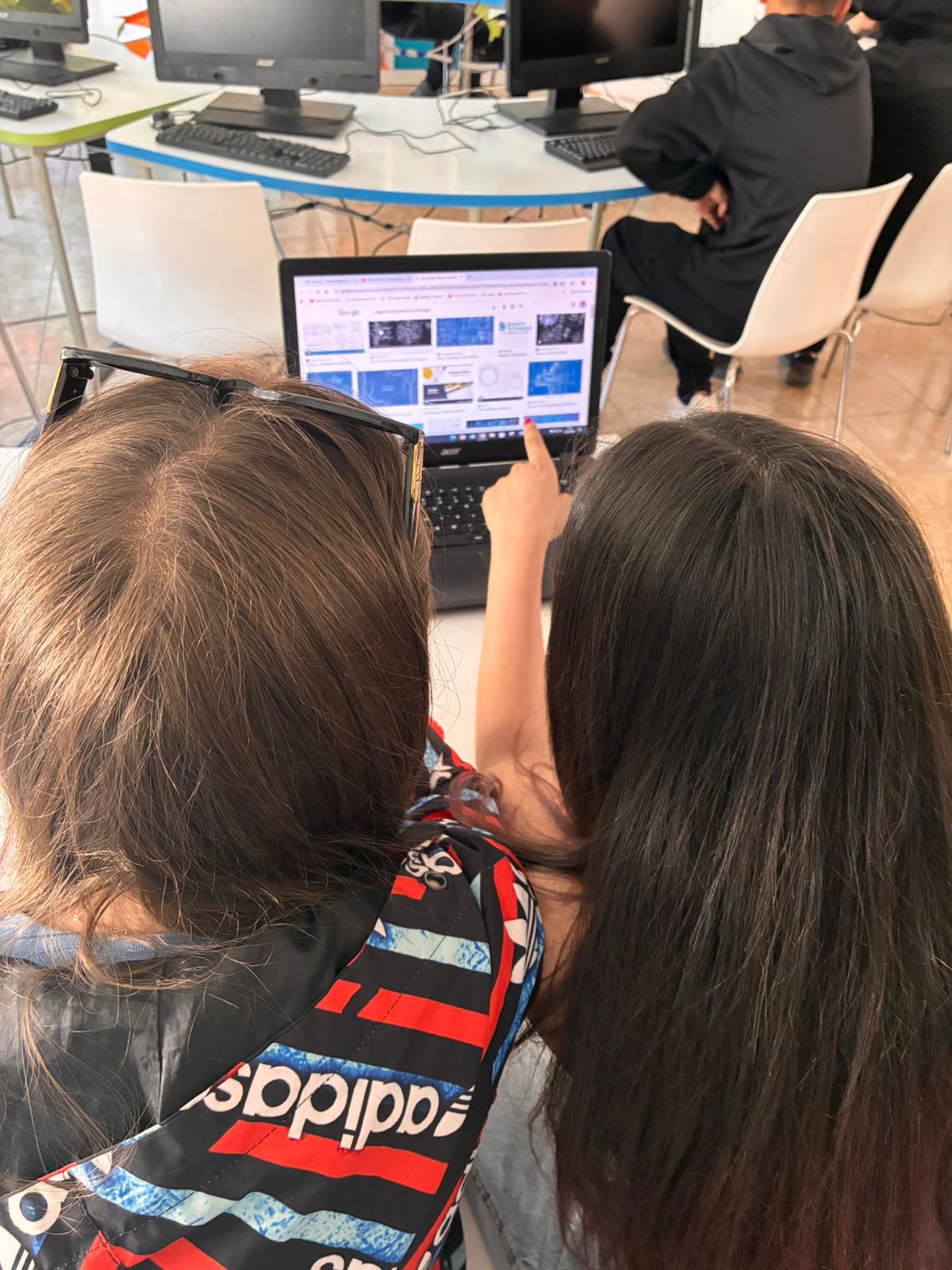
- interaction design through Blueprint VR;
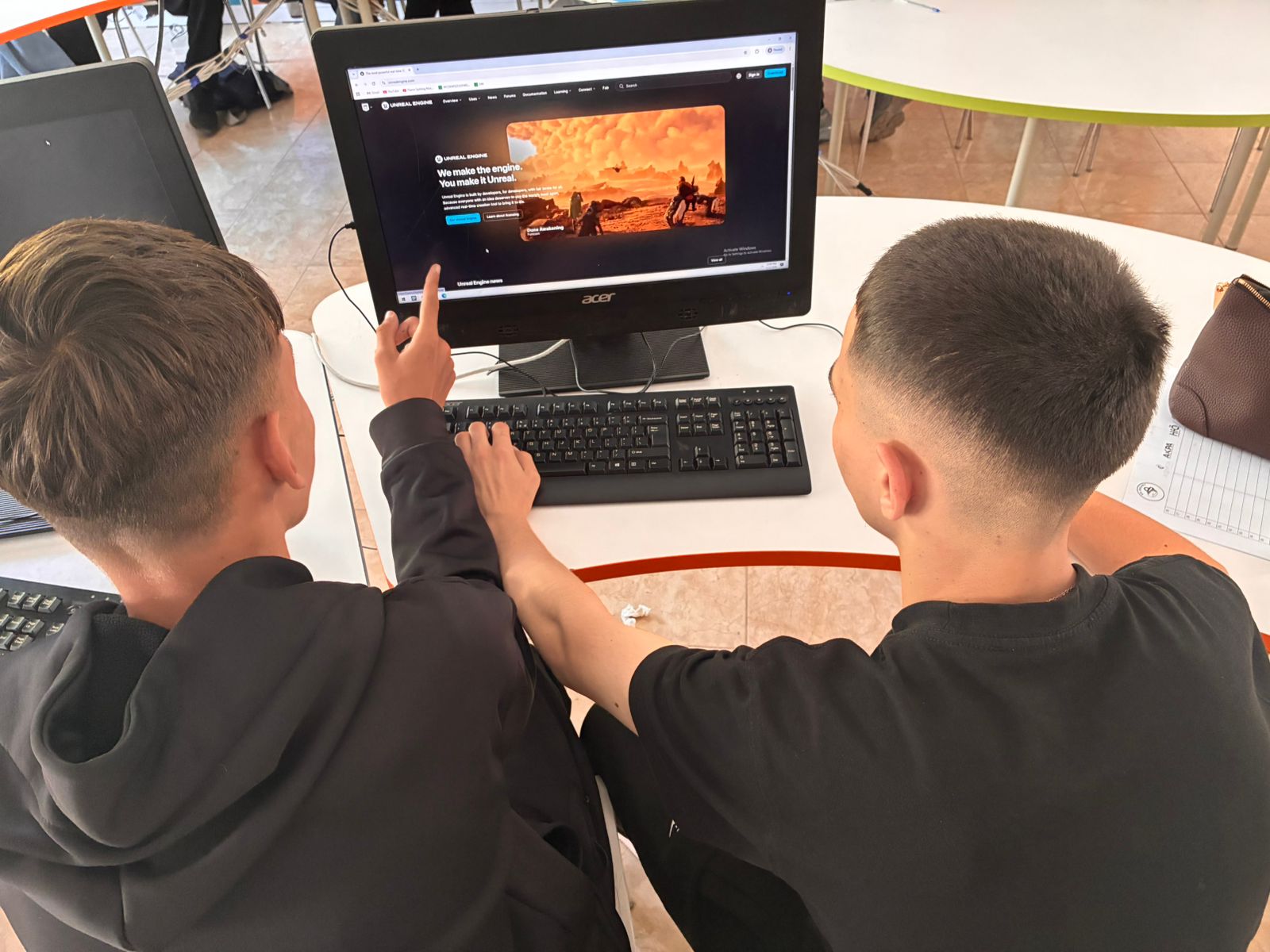
- virtual-reality development using Unreal Engine;
- video editing and digital communication.
The modules were implemented as a progressive learning pathway. Students first developed basic digital assets and visual content before moving towards interactive functions, virtual environments and the presentation of final outputs. This structure enabled learners with different starting levels to build their competences gradually.
Learning by creating
A central feature of the programme was its emphasis on learning through practice. Students were not limited to theoretical explanations or demonstrations. They were encouraged to create, test and improve their own digital products.
The activities included the development of three-dimensional objects, virtual environments, interactive elements, audiovisual materials and collaborative prototypes. Through this process, students became more familiar with professional digital workflows and learned how different tools can be combined within a single project.
The project’s digital platform and immersive environment supported the learning process by providing access to materials, exercises and virtual spaces. Teachers combined classroom explanations with guided practice, group activities and independent production.
More than technical skills
The training also contributed to the development of transversal competences that are increasingly important in vocational education and employment.
Students practised:
- teamwork and division of responsibilities;
- problem solving and technical troubleshooting;
- creativity and user-centred design;
- time and task management;
- presentation and communication;
- responsible use of digital technologies.
These competences helped students understand that digital production is not only about learning individual software functions. It also requires planning, cooperation, testing, reflection and the ability to communicate results effectively.
Supporting different learning needs
The implementation involved students with different levels of prior digital experience. Teachers therefore adapted the pace of the activities, provided additional demonstrations and organised peer-support opportunities when necessary.
The availability of different modes of access to the digital ecosystem also supported inclusion. Students could engage with project resources through standard computers as well as immersive devices, depending on the equipment available within their institutions.
Monitoring evidence indicated strong engagement and positive perceptions of the practical activities. Students particularly valued the opportunity to work with emerging technologies, create visible outputs and understand how digital competences can support their future professional development.
Preparing students for the next stage
At the end of the training phase, 25 students were selected to participate in the project’s advanced VR-based traineeship component. The selection considered practical competence, quality of outputs, participation, collaboration and readiness to apply the acquired skills in a more professional and team-based environment.
By involving more students than originally planned, the activity confirmed the interest of Albanian VET learners in immersive and practice-oriented digital education. It also demonstrated how trained educators, structured curricula and adaptable digital infrastructure can work together to create new learning opportunities within vocational education.