Following the successful implementation of the digital skills curriculum, 25 Albanian VET students progressed to the VR DigiVET project’s advanced traineeship component.
The activity fulfilled the target established in the Grant Agreement and represented the final practical stage of the student-learning pathway. Its purpose was to give selected learners an opportunity to apply their technical and transversal competences in a structured, collaborative and output-oriented environment.
Selecting students for the advanced pathway
The traineeship participants were selected on the basis of several complementary criteria rather than a single test result.
The selection considered:
- completion of the student curriculum;
- quality and functionality of the final outputs;
- practical digital competence;
- attendance and active participation;
- ability to work with others;
- responsible use of digital tools;
- readiness to engage in a professional learning environment.
This multi-criteria approach recognised that successful performance in the workplace depends on both technical knowledge and transversal competences such as reliability, communication, collaboration and problem solving.
Working as multidisciplinary teams
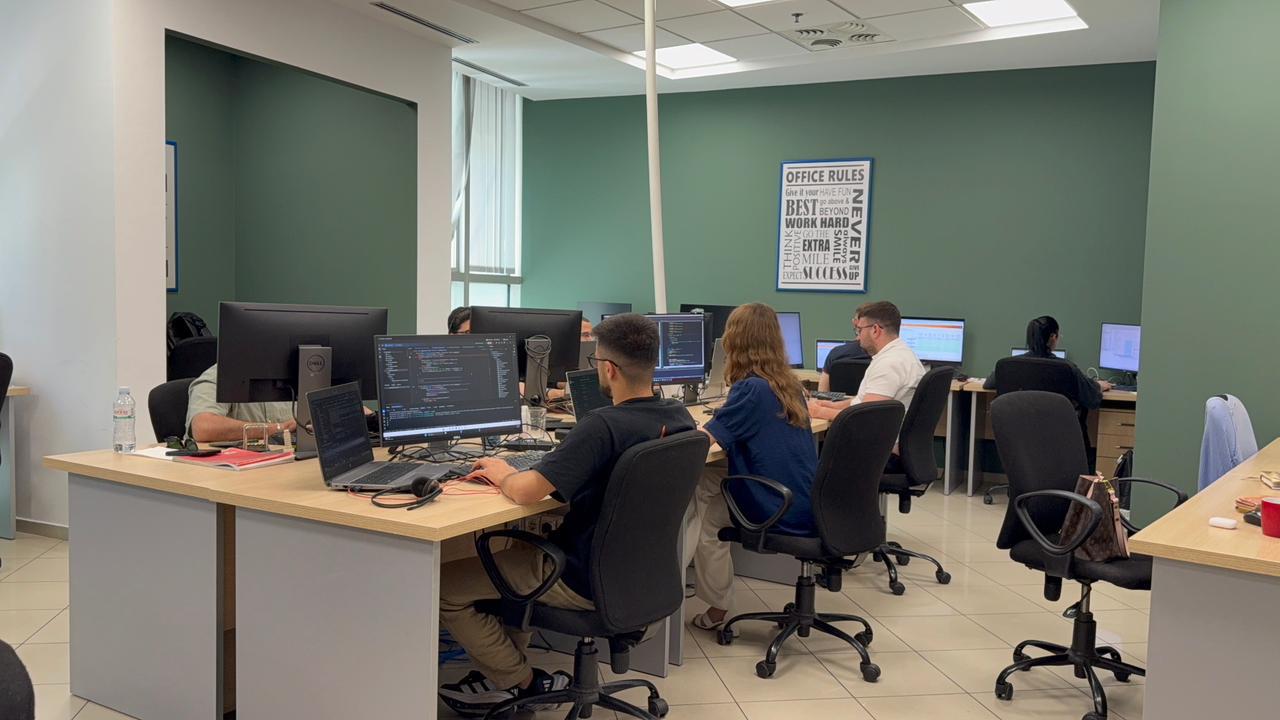
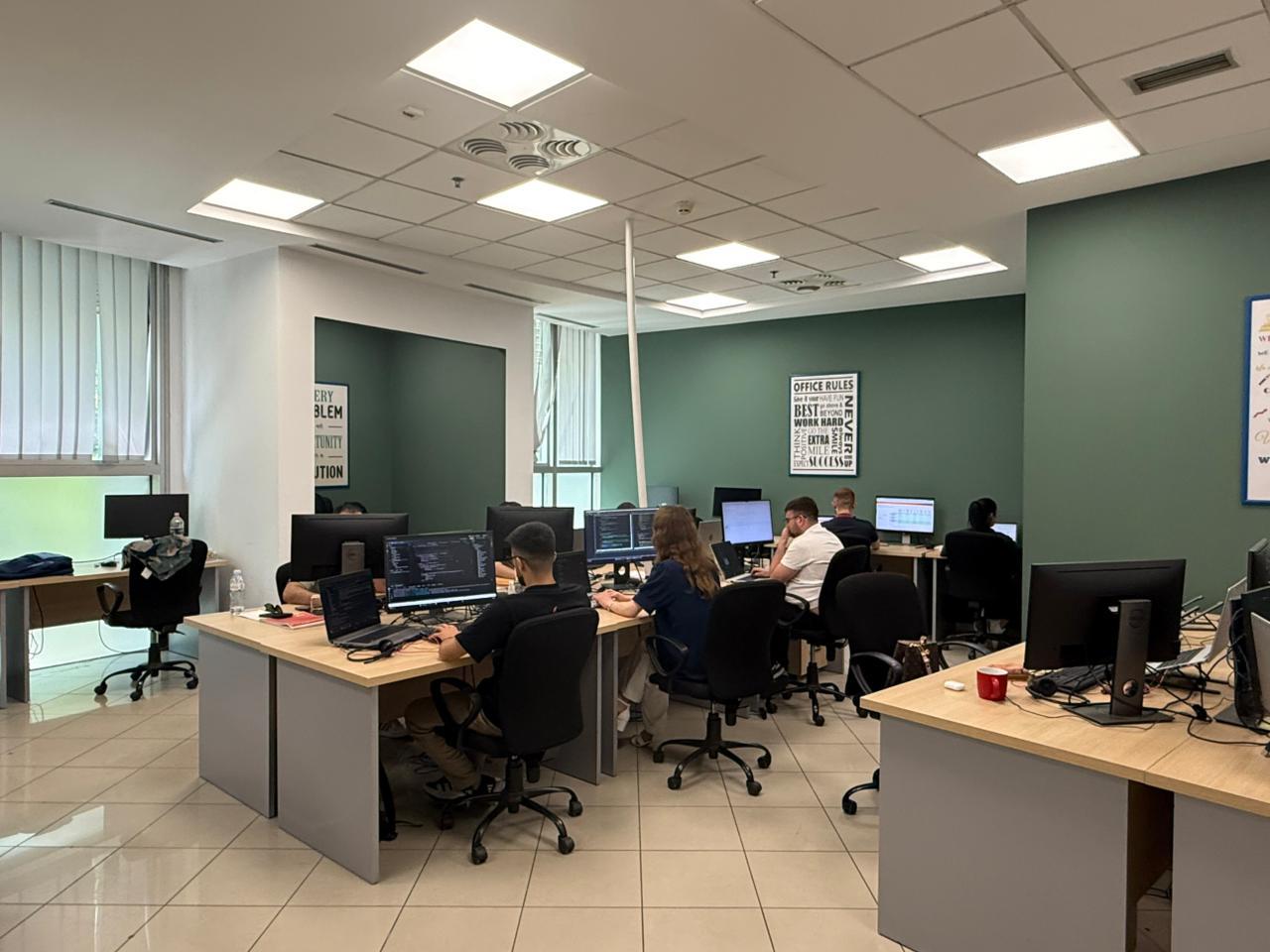
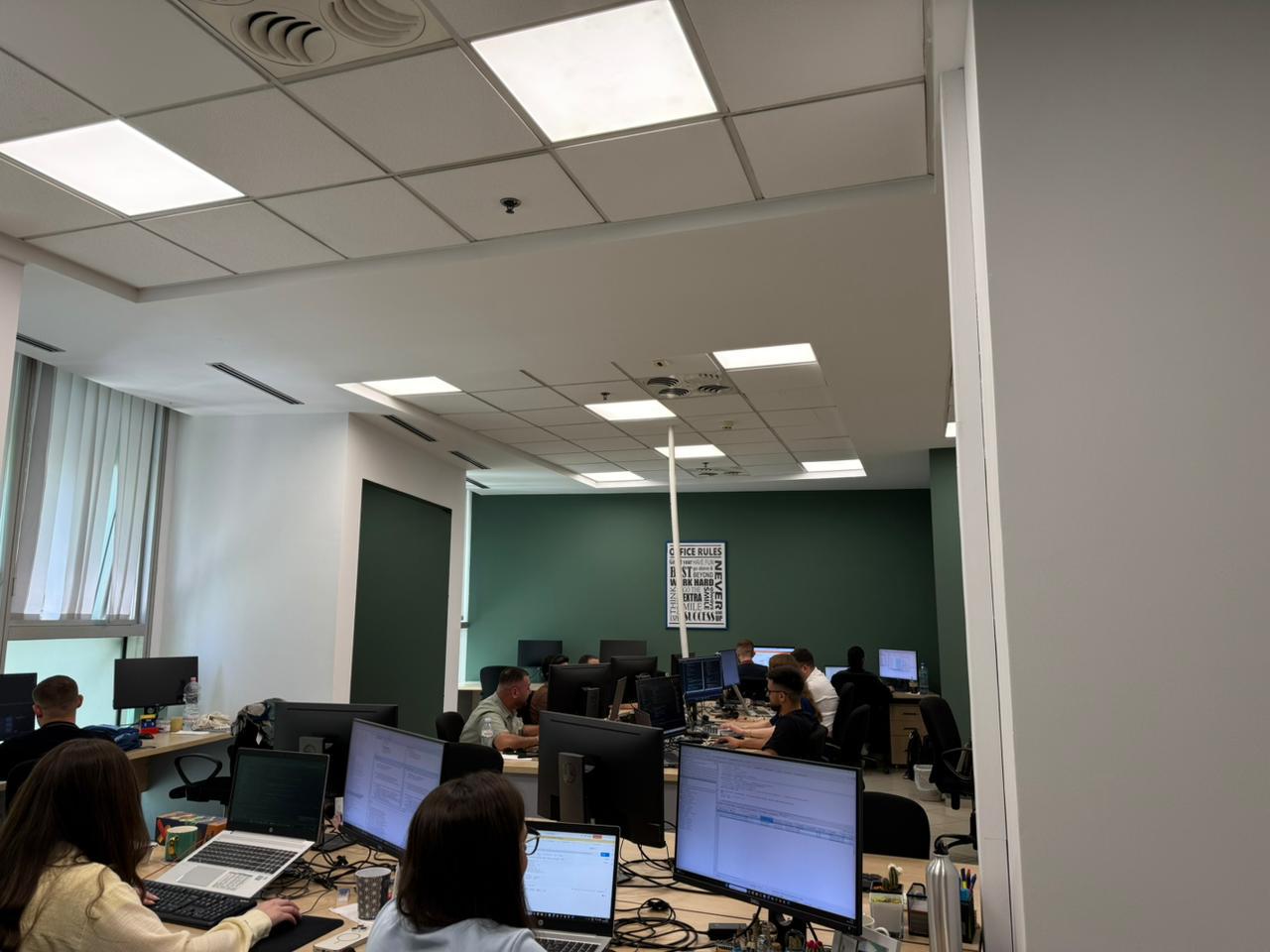
During the traineeship, students worked in teams on vocationally relevant and tourism-oriented immersive projects. The organisation of the activity reflected the structure of a professional digital-production process.
Students assumed complementary roles connected with:
- project planning and coordination;
- concept development;
- 3D modelling and asset production;
- interaction design;
- integration into virtual environments;
- testing and quality assurance;
- audiovisual communication;
- presentation and documentation.
This division of responsibilities encouraged each student to contribute to a shared result while understanding how individual tasks depend on one another.
From concept to prototype
The traineeship followed an iterative project-development process.
The teams first interpreted the task, identified the intended audience and agreed on the purpose of their digital product. They then planned the workflow and allocated responsibilities.
During the production phase, students created or adapted three-dimensional and audiovisual content, developed interactive elements and integrated them into an immersive environment. Testing was carried out throughout the process, enabling teams to identify technical errors, improve usability and refine the overall user experience.
The final stage involved presenting the completed outputs and explaining the decisions made during development. This required students to communicate clearly, demonstrate the functionality of their work and reflect on both the strengths and limitations of the production process.
Connecting digital skills with employability
The traineeship was designed to move beyond software familiarisation and place the acquired competences within a workplace-oriented context.
Students developed experience in:
- interpreting a project brief;
- organising tasks and deadlines;
- collaborating within multidisciplinary teams;
- responding to feedback;
- solving technical problems;
- testing and improving digital products;
- communicating with supervisors and peers;
- presenting professional outputs.
These activities reinforced the relationship between digital competence, employability and adaptability. They also helped students understand that immersive-technology projects combine creativity, technical knowledge, teamwork and continuous quality improvement.
Supervision and feedback
Teachers, technical experts and project partners supported the students throughout the activity. Regular supervision provided opportunities to discuss progress, resolve difficulties and refine project outputs.
Feedback was incorporated during each phase rather than being limited to the final evaluation. This formative approach encouraged students to treat revision and testing as normal parts of professional practice.
The monitoring evidence highlighted the value of collaborative learning and practical production. Students appreciated the opportunity to create tangible outputs and reported a stronger understanding of how digital tools can be used together to address real tasks and communicate ideas.
A model for future VET activities
The VR DigiVET traineeship demonstrated how immersive technologies can be incorporated into vocational learning without separating technical and transversal competences.
By linking curriculum-based learning with multidisciplinary project work, the activity provided students with a realistic transition from the classroom to professional practice. The experience also generated a model that participating VET institutions can adapt for future student cohorts, different vocational sectors and new forms of cooperation with public and private stakeholders.